Durga Puja in New Jersey


Following is the list of Durga Puja celebrations in New Jersey with dates and venues:

1. Kallol of New Jersey
Oct 3, 4, 5
Ukrainian Church Community Center,
135 Davidson Ave, Somerset, NJ

2. Garden State Cultural Association
Oct 4th and 5th 2008
Plainfield High School,
950 Park Avenue, Plainfield, NJ 07060

3. Indian Community Center of Garden State
Oct 4th & 5th
Eisenhower Middle School
47 Eyland Avenue
Succasunna, NJ 07876

4. Garden State Puja Committee
Oct 4th and 5th, 2008
40 Sullivan Dr, Jersey City, NJ

5. Anandamandir
Oct 5th to Oct 9th , 2008
269 Cedar Grove Lane,
Somerset, NJ 08873-5212

6. Bharat Sevahram Sangha
Oct 5th to 9th 2008
3490 Route 27, Kendall Park, NJ 08824

You may visit the websites of these Pujas from our Webcollage page.
Indian Food and Nutrition


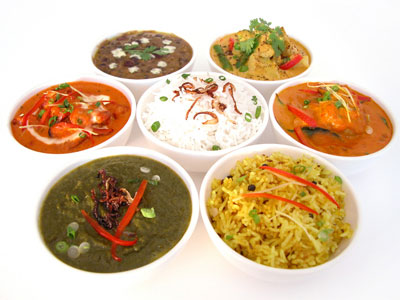
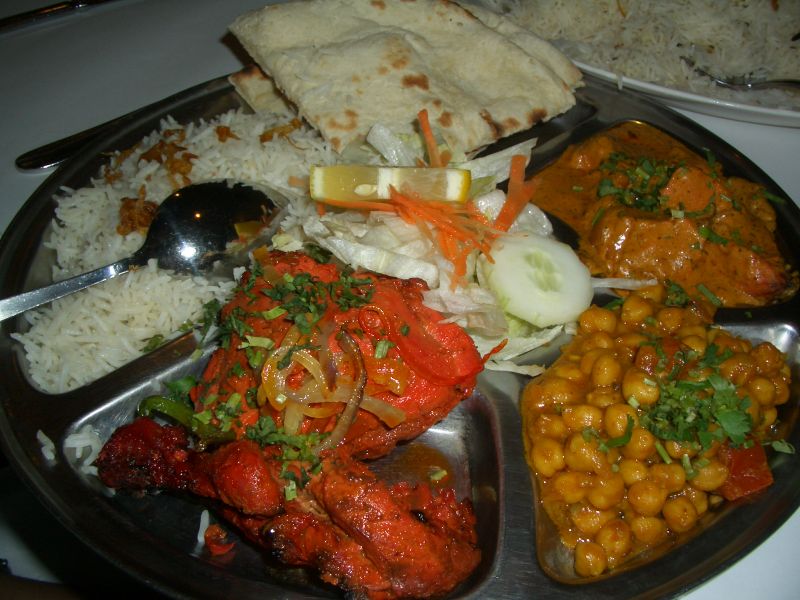
A Thali of Indian FoodAll around us we find tons of books, websites, and other information about food and nutrition. What we should eat and what not, what foods to avoid for diabetes, what foods to eat to lower cholesterol and what foods to avoid for weight loss. Zillions of nutritionists, dietitians, physicians, nurses, body builders and quacks have made millions writing such books. Most of these books, however, cater to the western food habits. Their meal suggestions, recipes and nutritional information cover only the kind of diet that we Indians hardly eat in our daily lives. Some diet books lightly touch upon some of the Indian foods but they are severely limited to the typical north Indian recipes like tandoori chicken or chicken tikka masala. But if you are a Bengali, then CTM (as they call chicken tikka masala in UK) appears rarely on our diet. We would be interested in knowing whether chhaanar dalna is a healthier meal than shorshe ilish.
Healthy Indian FoodFew months ago, a friend of mine forwarded me an e-book (a pdf file) titled “Indian Foods: AAPI’s Guide to Health, Nutrition, and Diabetes”. This book, written by a team of experts appointed by the American Association of Physicians of Indian Origin (AAPI) provides an invaluable guide to the Indians living in America to make some sense of their diet in terms of healthiness. The best part of this book is that it contains chapters pertaining to the regional foods of India. For example, in its chapter on Bengali and Oriya cuisine, the author provides a table (no pun intended) showing a typical Bengali diet and how it can be modified to make it healthier.
I’d like to welcome you all to download this book by clicking on this link. AAPI is distributing this book for free. I thank AAPI for providing this valuable resource.